
Welcome to the studio.
Everything you need to use the space and everything in it — getting in, running the room from the studio tablet, the gear, the coffee maker, and how to leave it for the next shoot.
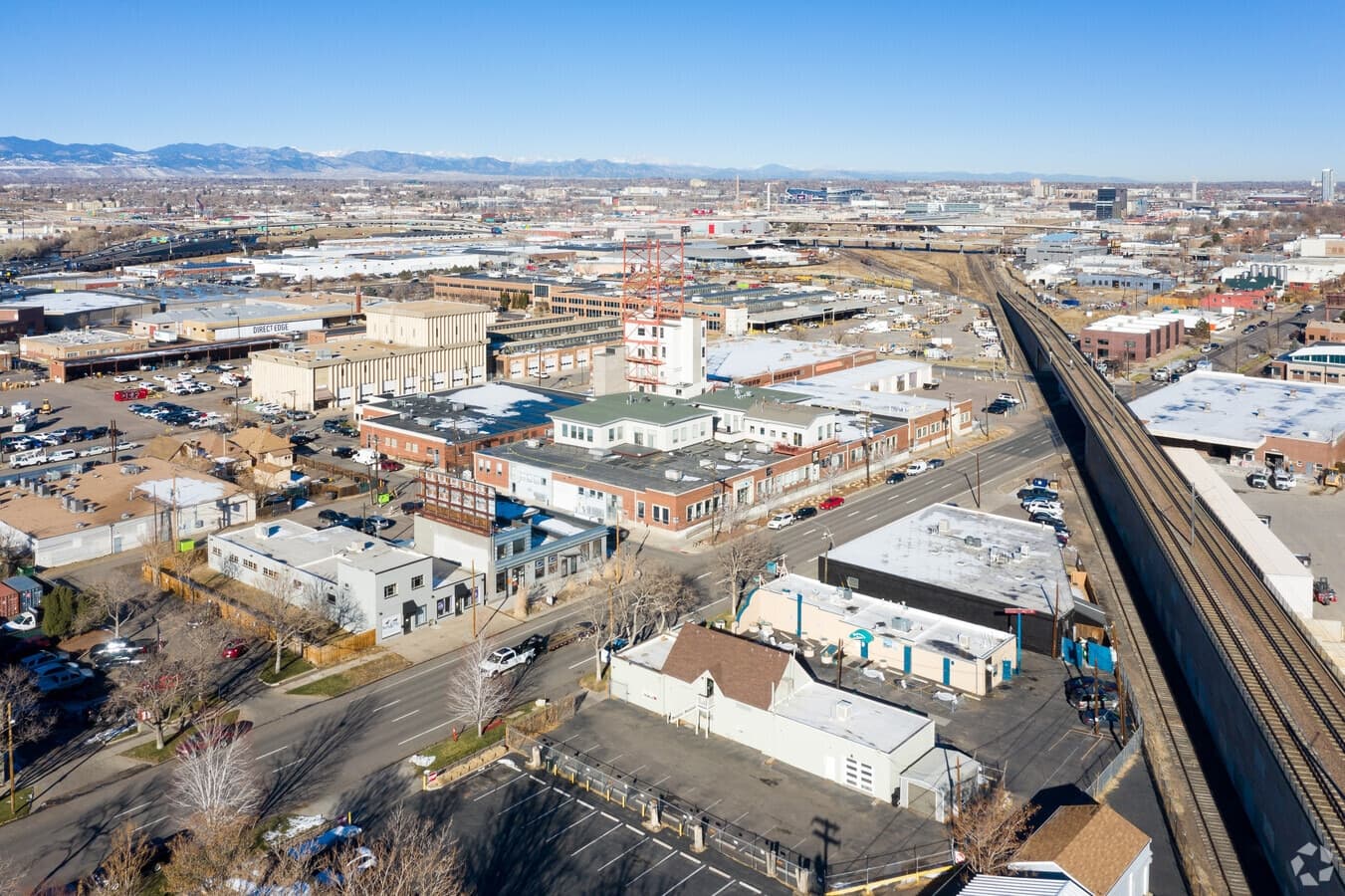
Getting here & parking
- Address
- 209 Kalamath St., Unit 1, Denver, CO 80223. The entrance is around the corner on W 2nd Ave — for the easiest load-in, take the right onto W 2nd Ave and pull up to the ramp.
- Parking
- Free street parking: unlimited on the side streets, with a 2-hour limit directly on Kalamath St. Park on a side street for a full shoot day.
Getting in
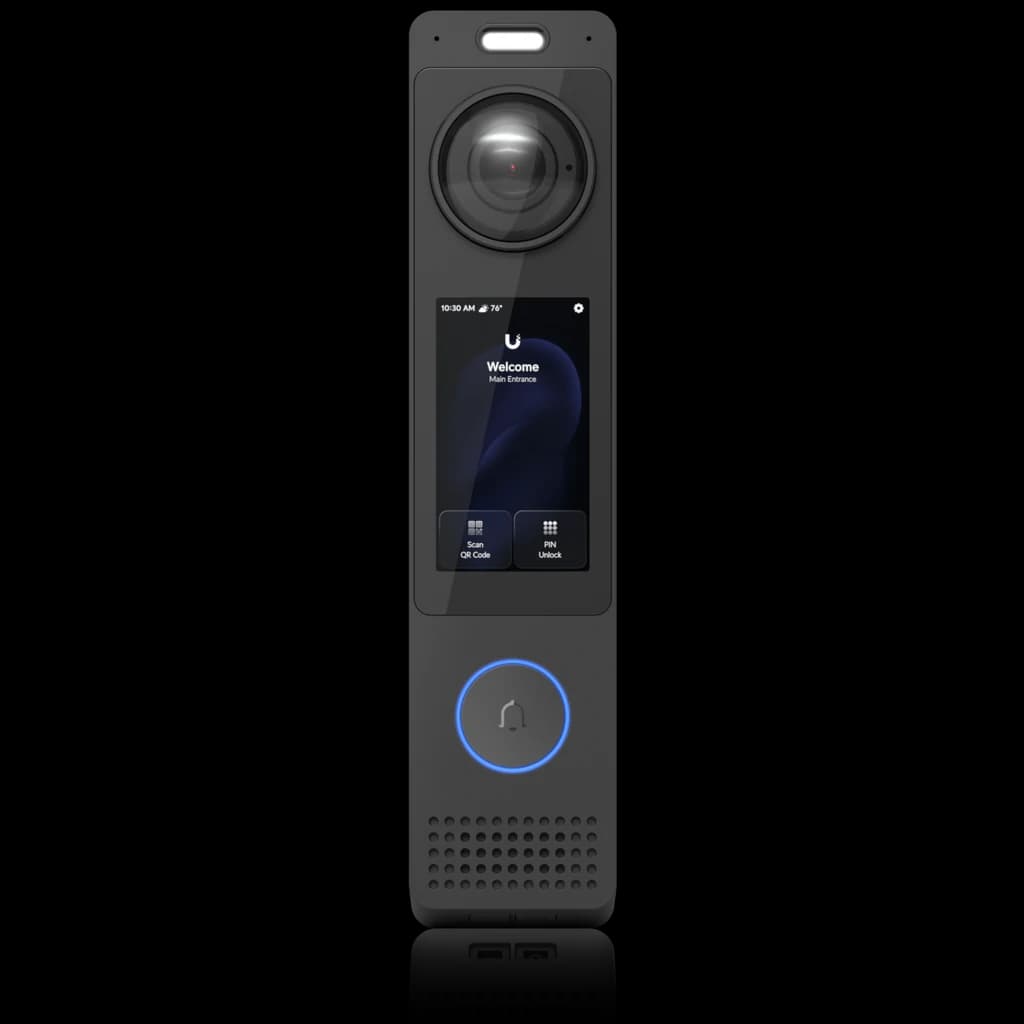
Access is keyless and runs on a UniFi door system. Your code is time-boxed to your booking — no key, no one to let you in.
- Your code arrives by email
- We email it to you separately from your booking confirmation — look for “Your studio door code” in the subject. If you don't see it, check spam.
- When it works
- Your code goes active 15 minutes before your rental starts and deactivates 15 minutes after it ends. Need in a little earlier? Reply to your door-code email, or call or text us.
- At the door
- The Access Reader / doorbell is mounted to the left of the door outside. Tap “PIN Unlock” at the bottom of its touchscreen, then enter your code.
- Security is built in
- Access and security are one system — entering your door code disarms the studio on the way in. There's no separate alarm panel or keypad to deal with. You'll arm it again with Studio Close on your way out (see Wrapping up).
- Getting out
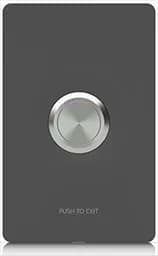
- Exit using the silver “PUSH TO EXIT” button by the door — you never need a code to leave.
Trouble getting in? Reply to your door-code email, or call or text us at (303) 284-6057 and we'll let you in remotely.
The studio tablet
Almost everything in the room — lights, shades, heat, music — runs off the studio tablets. Start here and you won't need to hunt for a switch.
- Where they are
- One sits immediately to the left of the tether station, next to the round wall switch. A second, identical one is in the lounge. They're mirrors of each other — whatever you change on one shows up on the other, and either one controls the whole building.
- No login, no app
- The tablets are always on and always signed in. Tap the screen and you're looking at the studio. There's nothing to unlock, install, or connect to — and no menu to dig through. It's one screen.
- What's on screen
- Down the left side: a clock, live totals (how many lights are on, how many shades are open, the average temperature), the list of levels, and the whole-building controls. The rest of the screen is the level you've currently got selected.
- Levels
- Tap a level to see just that part of the building — Entry, Studio (which covers the kitchen, bathroom, makeup stand and stage), Lounge, or Office. The highlighted one is what's on screen. Most of a shoot happens under Studio.
- Master Lights & Master Shades
- These two hit the entire building at once, not just the level you're looking at. Handy when you arrive or leave; too blunt for adjusting one corner of the room.
- Rooms are always laid out the same way
- Every room card stacks in the same order: lights, then shades, then simple on/off switches, then media, then temperature. Once you've read one card you can read all of them.
A control that's greyed out and won't respond means the studio lost contact with that device — it's not something you tapped wrong, and it usually comes back on its own. If it doesn't, call or text us.
One-tap studio modes
Five buttons on the tablet set the whole building at once. These are the fastest way to get the room where you want it.
- Studio Open
- The studio as it's meant to start the day — every light back to its set brightness and color, every shade open. This is the one to hit when you walk in.
- Studio Close
- The end-of-day look: most lights off, a few left on a deep red ambient glow, every shade closed — and the security system armed. This is the one to hit on your way out (see Wrapping up).
- Studio Bright
- Every color bulb to bright white, plus the track lights and the makeup-stand vanity lights on. Full work light for setup, teardown, and load-out.
- Studio Chill
- Track and vanity lights off, the color bulbs to a range of teal shades.
- Studio Zen
- Same idea as Chill, in muted greens and purples.
- Nothing is permanent
- A mode is just a starting point — set one, then adjust any individual light or shade from its room card afterward. You won't break anything, and we reset the studio between bookings.
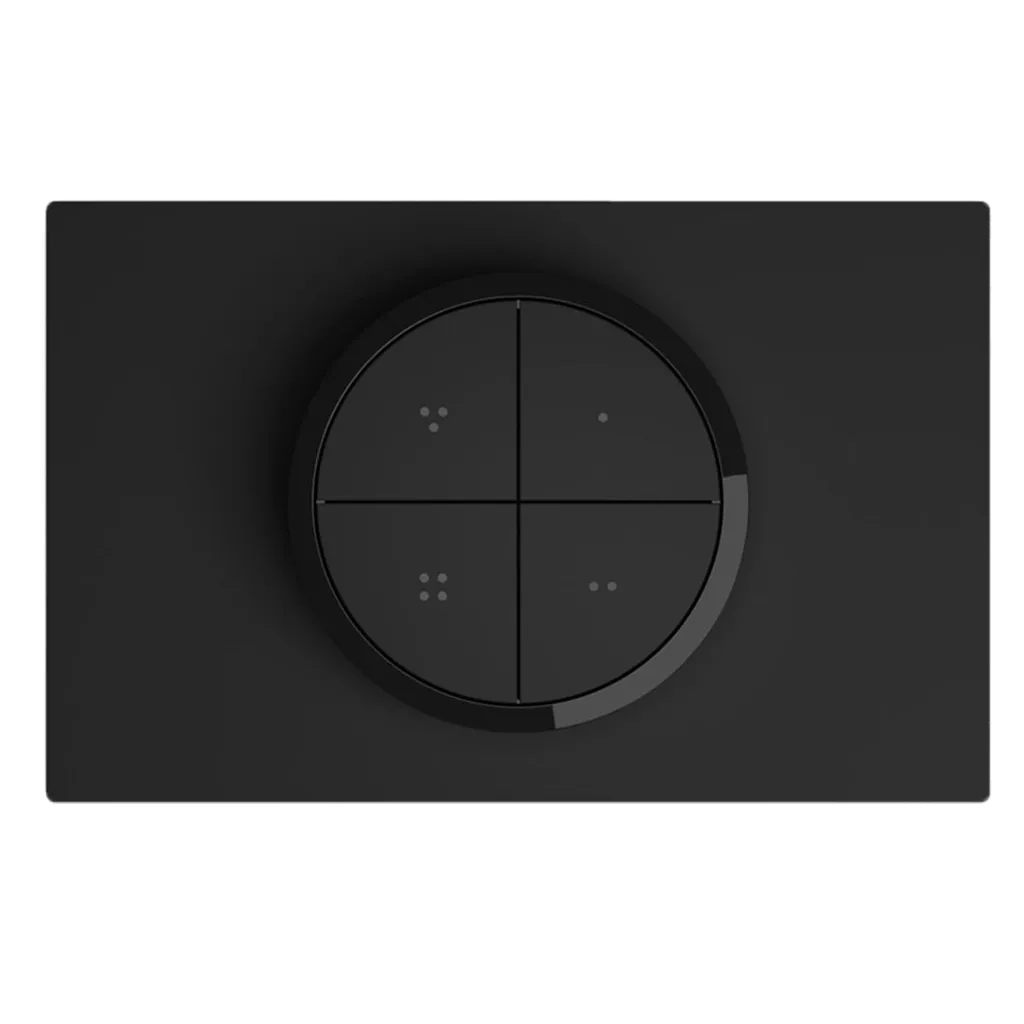
Studio Open and Studio Close are also wired to the round wall switch at the tether station: the top button is Open, the bottom button is Close. Same result as tapping them on the tablet beside it.
Lights
House lighting is all on the tablet, room by room. (Your own strobes and continuous lights are yours to run — this is just the room.)
- Turning one on or off
- Find the room card, find the light, tap the row. The row shows the light's name, its current brightness, and a dot in its current color.
- Dimming and color
- Tap the chevron at the end of a light's row to expand it. Drag the bar to set brightness; the dots underneath are quick colors — white plus six presets. Color dots only appear on bulbs that can actually do color.
- Whole rooms at once
- Most rooms have an all-in-one control at the top of their light list — one tap for every fixture in that room. Use the per-light rows below it when you want something more specific.
- The wall switch at the tether station
- The round dimmer mounted at the tether station runs Studio Open (top) and Studio Close (bottom). It's a shortcut for those two modes, not a room dimmer — for anything more specific, use the tablet right next to it.
Shades & blackout
Every shade in the building is motorized and on the tablet — including the stage's south and west walls.
- Moving one
- Shades show up as tiles under the Shades heading on a room card. The tile fills from the top as the shade comes down, so you can read the room at a glance. Tap a tile to pick an exact position — Open, 90, 70, 50, 30, 10, or Closed.
- The stage wall
- The stage has its shades split across the south wall and the west wall, each in left / middle / right sections, plus the back door. Kill daylight on one side and keep it on the other without touching your lighting.
- All of them at once
- Master Shades in the sidebar opens the same position picker and moves every shade in the building together. Studio Close (see above) closes them all.
- The big black glass-door shade
- If you lower the large black shade over the double glass door, triple-check that nothing is blocking it on the way down — if it jumps the track it's game over and a very expensive repair. This is the one shade worth watching as it moves.
Heating & cooling
Five independent zones — Entry, Stage, Gear Wall, Lounge, and Office — each its own mini-split. Set the one you're actually shooting in.
- Adjusting temperature
- Climate sits at the bottom of a room card. The left number is what the room actually is right now; the middle number is what it's aiming for. Tap − or + to move the target. It steps by 2° at a time — that's deliberate, the hardware only accepts odd numbers.
- Give it a minute
- These are mini-splits, not forced air. A zone takes a while to move, so set it when you arrive rather than waiting until the room is already wrong.
- Where the zones are
- The stage is covered by two zones — Gear Wall and Back Door — grouped together on the Studio level so you can set both from one place.
- Switching heat ↔ cool
- The tablet changes the temperature, not the mode — switching the system between heating and cooling is a staff control and isn't on the guest dashboard. Call or text us at (303) 284-6057 and we'll flip it for you. Zones sit around 70°F by default.
Music & sound
Speakers on the stage and in the lounge, both driven from the tablet.
- Playing something
- Under Media on a room card you'll see the speaker and whatever's playing (or “Idle”). Tap through to search Spotify — tracks, albums, artists — and your pick starts playing on that room's speaker.
- Volume
- Drag the volume bar on the player. Stage and lounge are independent — set them separately.
- The lounge TV
- The lounge has a TV with an Apple TV attached, on the same card as the lounge speaker — useful for client review sessions.
Power & electrical
There's plenty of dedicated power for a full lighting package — you won't trip a breaker running strobes and continuous light together.
- Dedicated circuits
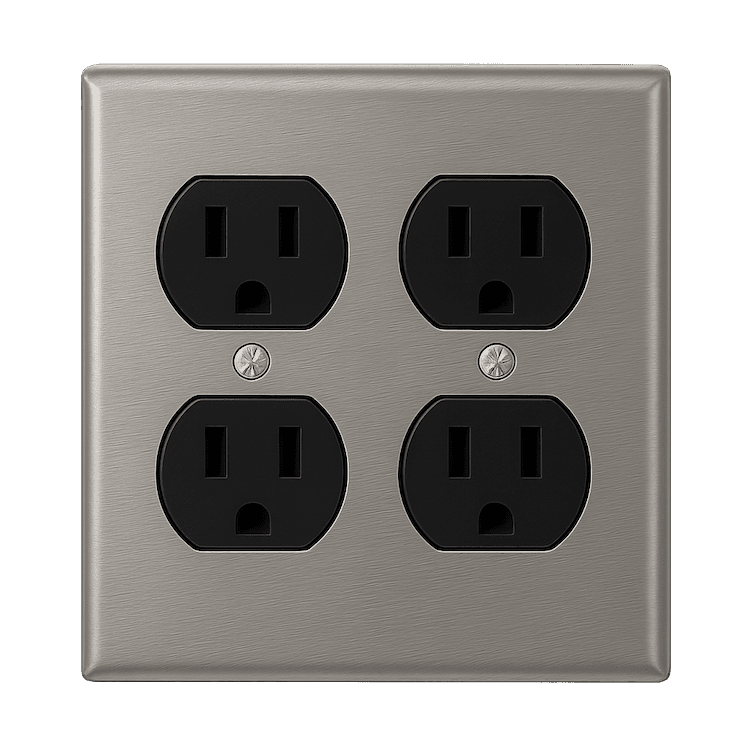
- 8 × 20-amp dedicated circuits, fed through aluminum wall plates on both sides of the cyc wall. Spread heavy draws across plates on opposite sides.
- If a breaker does trip
- Call or text us at (303) 284-6057.
WiFi
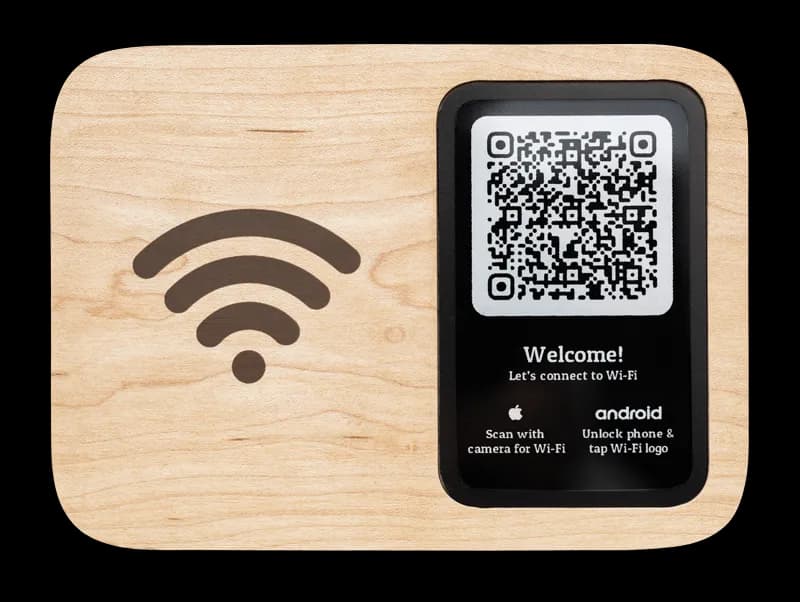
- Connect by tapping the NFC/QR puck in the studio with your phone — it joins you automatically. For security the password itself isn't handed out; the puck does the work.
Tether station & backdrops
- Tether station
- The workstation is loaded with Capture One, Lightroom, DaVinci Resolve, and Photoshop, wired and on WiFi. Use it freely — just return it to its standard configuration before you leave (see Wrapping up). The studio tablet sits immediately to its left.
- Backdrops
- The backdrop system is motor-controlled — use the wall controls to raise and lower the rolls.
Coffee & the kitchen
Yes — including the coffee maker.
- Espresso machine
- There's a real espresso machine on-site. It has a few steps the first time — see the how-to video below before you pull a shot.
- Tea & hot chocolate
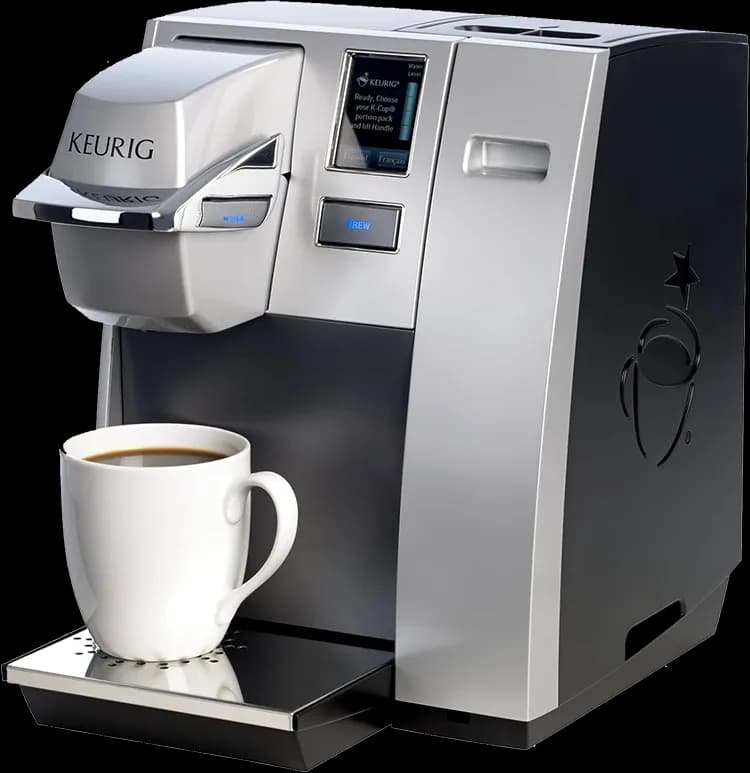
- There's a Keurig in the lounge — it's stocked for tea and hot chocolate rather than coffee. Coffee comes from the espresso machine.
- Working kitchen
- The kitchen is a real working kitchen — water, prep space, and counters used by food stylists every week. Make yourself at home.
- Kitchen lighting
- The kitchen has its own card on the tablet under the Studio level — pendants, the art niche, and the counter and sink strips, all dimmable and color-capable.
House rules
A few things that keep the gear, the cyc, and the next shoot in good shape.
- Shoes off (or covered)
- Please remove or cover your shoes while you're in the studio — it protects the camera and lighting gear from dust and keeps the cyc wall free of dirt and scuffs.
- Tennis balls on C-stands
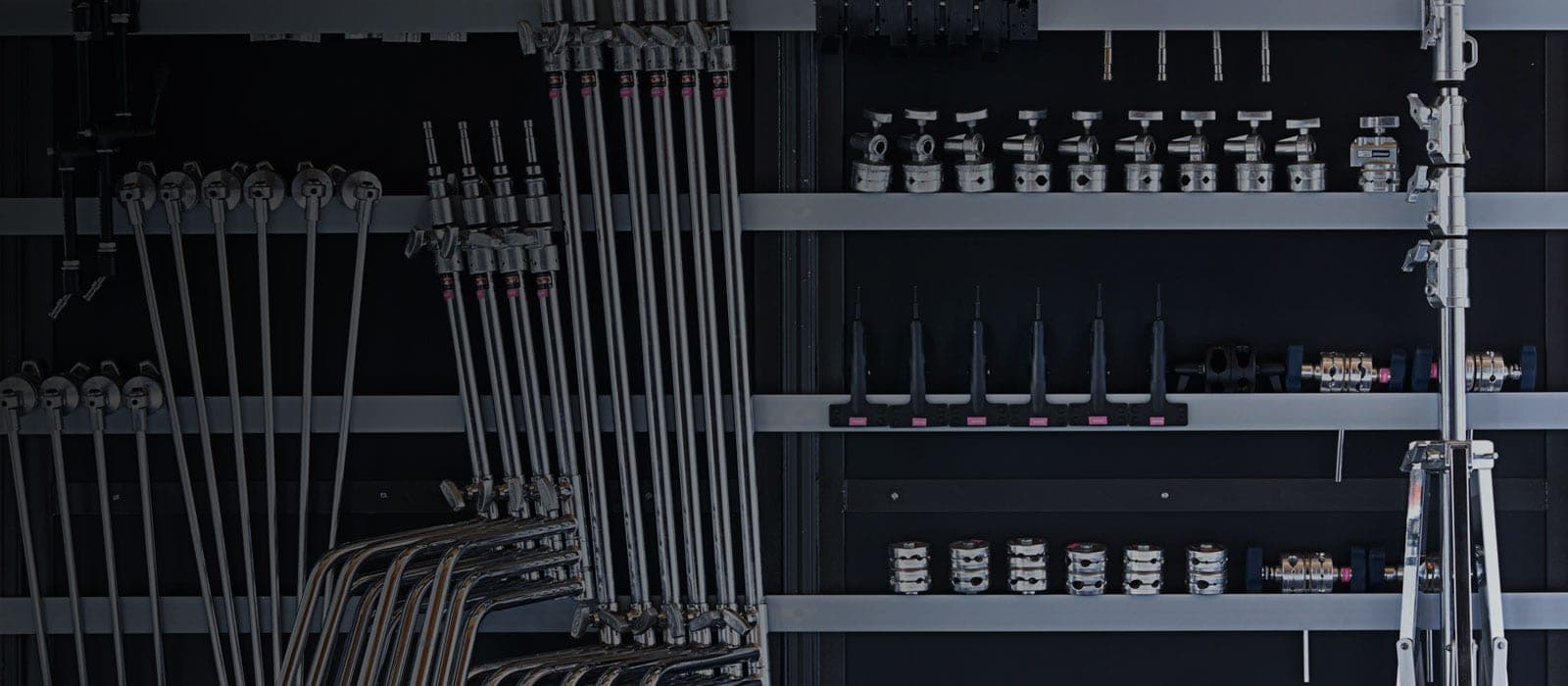
- Put the tennis balls on the C-stand feet so nobody catches a leg and nothing gets scuffed.
- Honor system on extra gear
- Beyond what's included, the rest of the gear in the studio runs on an honor system. If you decide to use any of it, just let us know so we can add it to your final invoice.
- Staff-only areas
- Please don't go into the top office area or through the door marked “employees only.”
- Leave the tablets plugged in
- Both tablets stay powered and signed in — please don't unplug one to borrow the charger, and don't touch the sign-in control at the top of the screen. If a tablet ends up off, dead, or on some other screen, call or text us and we'll sort it out.
Trash
- Dumpster key
- A key for the dumpster hangs by the door. The dumpster is at the corner of the parking lot — grab the key, toss your shoot trash, and hang it back up when you're done.
Wrapping up
Leave the room the way you'd want to find it. Before you head out:
- Reset the grip wall
- Put the grip wall back the way it was when you came in.
- Wipe down
- Clorox-wipe the surfaces you used.
- Return gear
- Return everything to the cyc and grip walls where you found it.
- Restore the tether station
- Set the tether station back to its standard configuration. If we have to provide emergency support because it wasn't reset after your rental, there's unfortunately a surcharge.
- Lock up
- Lock the back doors on your way out.
- Tap Studio Close
- On the tablet (or the bottom button on the round wall switch at the tether station), tap Studio Close. One tap drops the lights to the after-hours look, closes every shade in the building, and arms the security system. Don't skip it — it's what re-secures the studio behind you.
- Then head out
- Push the silver “PUSH TO EXIT” button and go. The door locks itself behind you.
Need a hand?
We're a call or text away during your shoot. Reach us at (303) 284-6057 or hello@