
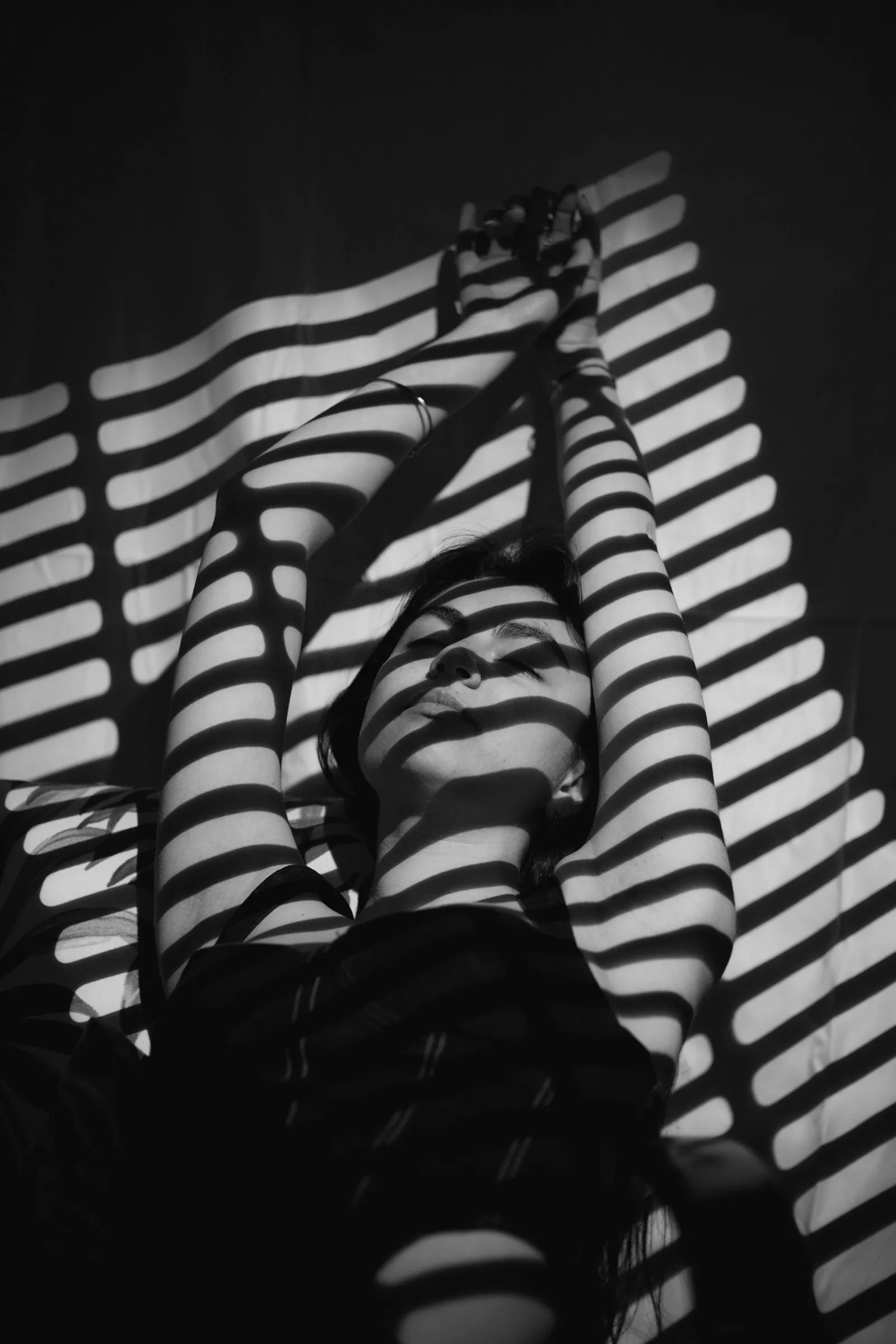
Almost every gear conversation that starts with "what lighting do I need?" comes down to one fork in the road: flash or continuous. It's the most consequential lighting decision you'll make for a shoot, and it isn't about which is better — both fill our shelf for good reasons. It's about what you're delivering. Get the match right and the whole day flows; get it wrong and you'll fight your gear from the first setup. Here's how to choose before you book.
The one difference that drives everything
Flash and continuous light differ in one fundamental way, and nearly every practical trade-off falls out of it. Flash dumps a huge burst of light in a tiny fraction of a second, then goes dark. Continuous light — almost always LED today — stays on the whole time, exactly as bright as you set it.
That single distinction decides what each is good at:
- Flash freezes motion. Because the burst is so brief, it can catch a splash, a jump, or flying hair perfectly sharp — the flash duration, not your shutter, freezes the action.
- Continuous lets you see the result. What's on your monitor *is* the final lighting — falloff, color, shadow edge — because the light shining on set is the light in the photo or frame.
- Flash is invisible in video. A strobe's pop lasts a thousandth of a second, so it does nothing for moving images. Video needs light that's on continuously.
- Continuous is gentle and tunable. Modern LEDs run cool, quiet, and color-adjustable, so you balance to a room and roll sound without fan noise or tungsten heat.
When flash wins
Flash is the answer when the deliverable is stills — especially stills that need crisp sharpness, raw power, or a hard, snappy quality of light. On our shelf that's the Profoto family: the battery-powered B10X Plus and B1X for portraits, the D2 monolights and Pro-11 pack for studio power, and the ringflash for beauty and fashion.
You need to freeze motion
Splashing liquid, a dancer mid-leap, fabric in the wind, an athlete in action — anywhere you need the subject tack-sharp at the peak of movement, flash is the tool. The brief burst freezes the moment in a way a continuous light, limited by your shutter speed, struggles to match. This is the classic reason product and fashion shooters reach for strobe.
You want maximum power per shot
For deep depth of field on a product table (think f/16 with everything sharp front to back), for big group shots, or for overpowering bright ambient light, flash delivers an enormous amount of light in each pop. You also recover between frames, so the light isn't running — and getting warm — the whole session.
It's a crisp, commercial stills look
Strobe with a beauty dish or a tight grid gives you that punchy, high-contrast, unmistakably 'commercial' quality. If your references are clean studio packshots or polished beauty portraits, flash is very likely how they were made. (For a deeper dive on one of the most versatile options, see our guide to the Profoto B10X Plus.)
When continuous wins
Continuous light is the answer the moment video enters the picture, and it's a strong choice for stills whenever color or a see-it-live workflow matters more than freezing motion. Our continuous and LED shelf spans soft keys like the ARRI SkyPanel and LiteGear LiteMat; high-output point sources like the Nanlux Evoke and Creamsource Sky; and creative-color tools like Astera tubes and the Aputure MC.
You're shooting video (or stills and video)
This one's simple: a flash does nothing for moving images, so any video — interviews, brand films, product motion, social clips — needs continuous light. And because brands increasingly want a photo *and* a video from the same session, continuous lets a hybrid shooter cover both without re-lighting. A SkyPanel keying an interview is a textbook example.
You want to see exactly what you'll get
With continuous light there's no chimping, no test-pop-and-adjust loop. The monitor shows the real lighting — every shadow, every falloff, every color — so you and the client sign off on the actual frame as you build it. For directors and art directors who want to approve the look live, that feedback loop is the whole argument.
Color is part of the creative
Full-color LEDs put precise hue and saturation right on the fixture — no gels to cut, and you watch the color land in real time. Whether it's a teal background wash from an Astera tube, a colored practical from an Aputure MC, or an RGBWA mood from a Creamsource Sky, color-forward looks are far easier to dial when the light is continuous.
Choose by your deliverable
Skip the theory and match the light to what you're handing over:
- Product stills with deep focus or frozen action → flash (Profoto monolights or pack-and-head).
- Crisp, punchy beauty or fashion stills → flash (Profoto with a beauty dish, grid, or ringflash).
- Interviews, talking-head, brand films → continuous (ARRI SkyPanel or LiteGear LiteMat soft key).
- Any video, or photo + video from one session → continuous (LED across the board).
- Color-forward or stylized looks → continuous, full-color (Astera tubes, Aputure MC, Creamsource Sky).
- Tight spaces and hidden sources → continuous, flexible (LiteGear LiteMat, Astera tubes, Aputure MC).
- Big bounces, daylight balance, hard reach → high-output continuous (Nanlux Evoke) or a powerful flash pack.
Where to shoot it
Both lighting families live best in a controlled room. In the studio you can kill the ambient light, set your color and contrast exactly, and run a clean tethered or monitored workflow — whether you're freezing a splash with strobe or designing a colored set with LED. If you're unsure which way to lean, tell us the deliverable and we'll build a gear list that fits it.
The short version
Shooting stills that need frozen motion, raw power, or a crisp commercial snap? Rent flash — the Profoto line. Shooting video, working photo-and-video in one session, or leaning on color and a see-it-live workflow? Rent continuous LED. And when the day calls for both, rent both — the right tool for each deliverable always beats forcing one light to do everything.